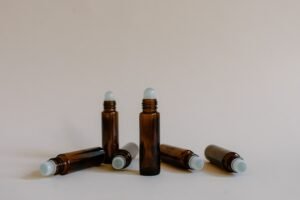
Bulk essential oil packaging is often treated as a cost decision, but a dangerous goods rule decides it first for most shipments. Buyers who source large-volume orders frequently ask their supplier for a flexitank quote, since a flexitank lowers per-liter freight cost compared with drums. That request runs into a rule that has nothing to do with price: flexitanks carry no UN certification for flammable liquids, and international regulations classify most essential oils as flammable liquids under UN Class 3. This guide explains why UN-approved drums stay the default choice for essential oil exports, when a flexitank can genuinely apply, and what a buyer should verify before assuming either option is available for a specific order.
The distinction matters most for importers moving from a trial order in drums to a full container load. A 20-foot container packed with 200-liter steel drums holds roughly 16,000 liters, while the same container fitted with a flexitank can carry closer to 24,000 liters, an 8,000-liter gap that shapes freight cost per liter on any large purchase. A bulk lemon oil shipment or a spice oil with a flash point under 60 degrees Celsius needs packaging built for that classification, not a liner rated for edible vegetable oil. Getting the packaging plan wrong after a purchase order is signed creates real cost: a shipping line can decline a flexitank booking once its dangerous goods declaration comes in, forcing a last-minute repack into drums at the port of loading. A buyer who understands the rule before the first quote request can compare drum-based freight rates on their own terms instead of chasing a flexitank rate a compliant supplier can never offer for that product.
Buyers evaluating bulk essential oil packaging for an order from our essential oils catalog can request a quote directly from our export team. Have the oil name, target order volume, and destination market ready, since drum count and container loading both depend on those three details.
How Dangerous Goods Classification Rules Out Flexitanks for Most Essential Oils
Most essential oils carry a flash point below 60 degrees Celsius, which places them in UN Class 3, flammable liquids, under the IMDG Code for sea freight and IATA regulations for air freight. Flexitanks hold no UN certification for any dangerous goods class, and once an oil is declared Class 3, a carrier’s dangerous goods desk rejects a flexitank booking regardless of the shipper’s preference. Industry guidance is consistent on this point: flexitank shipping guidance confirms that a liquid carrying a dangerous goods classification cannot move in a flexitank regardless of volume or viscosity.
Citrus oils such as grapefruit oil and terpene-rich oils like eucalyptus oil typically test well under that 60-degree threshold. IMDG packing group III generally applies at that flash point range, calling for triple-layered, leak-proof packaging with absorbent material, a specification drums are built to meet and flexitanks are not designed for.
The classification comes from laboratory flash point testing on the specific oil in a given shipment, not from an assumption about the botanical species. A buyer should ask the supplier for the flash point figure, the resulting UN number, and the packing group on the shipment’s certificate of analysis or safety data sheet before assuming a general classification applies.
What Makes Flexitanks Attractive for Bulk Liquid Exporters
A flexitank is a large single-use polyethylene bag fitted inside a standard 20-foot container, built to carry non-hazardous bulk liquids such as vegetable oil, glycerin, or wine without the intermediate packaging a drum shipment requires. Exporters use them because they raise usable volume per container and cut the packaging and labor cost of filling, palletizing, and later disposing of dozens of individual drums.
A flexitank can offer up to 40 percent more payload than drums in the same container, and one flexitank replaces the equivalent of roughly 20 drums, which matters to a buyer weighing the empty-drum disposal cost at the destination port. None of that changes what a flexitank is approved to carry: the efficiency argument only applies once a liquid clears the dangerous goods question covered above.
Why UN-Approved Drums Remain the Default Bulk Essential Oil Packaging
Manufacturers pack most bulk essential oil orders in UN-approved steel drums, typically 1A1 or 1A2 rated, epoxy-phenolic lined, and sized up to 220 liters, because that construction is certified against the IMDG and IATA dangerous goods codes that a flexitank cannot meet. UN-approved HDPE plastic drums serve as an alternative for oils that react with steel or with a particular lining, though a supplier should confirm compatibility case by case rather than default to plastic for every oil.
Even where a flexitank could clear the dangerous goods question, its plastic liner is built for edible oils and similar non-reactive liquids, not for the concentrated terpenes and aldehydes found in many essential oils. A liner that holds sunflower oil without issue can soften or leach material into a batch of citrus or spice oil over a three to four week ocean transit, which is a quality risk separate from the compliance question drums solve.
Drums also let a buyer split one container across several oils or grades without contaminating a shared bulk tank, a real advantage for an importer testing a new supplier with three or four grades before committing to a single-oil container load. A first order in tea tree oil または clove oil, for example, can sit in the same container as a smaller trial quantity of a different botanical, something a single flexitank cannot do.

Are There Exceptions Where a Flexitank Could Work?
A small number of essential oils and absolutes carry a flash point at or above 60 degrees Celsius and fall outside Class 3, which removes the main obstacle to flexitank use for that specific product. Even then, most carriers still route flammable-adjacent botanical liquids through an ISO tank container rather than a flexitank, since ISO tanks carry their own dangerous goods certification and better withstand the vibration and temperature swings of a long ocean voyage.
A buyer exploring a flexitank option has a stronger case with a genuinely non-hazardous carrier oil rather than an essential oil, since many carrier oils test above the Class 3 threshold and ship the same way as edible vegetable oil. Essential oils and carrier oils should not be assumed interchangeable on this point, since the flash point of the specific product, not its general category, decides which packaging a carrier will accept.
Does Drum Size Affect Minimum Order Quantity for New Buyers?
Drum packaging sets a practical minimum order at whatever a single 200-liter drum holds, since manufacturers rarely part-fill a drum for a smaller trial quantity. A first-time buyer asking about minimum order quantity should expect that floor to apply per oil, not per shipment, when multiple grades share one container.
Documentation and drum packaging intersect at this point too. Every drum in a dangerous goods shipment needs its own UN marking, and the packing list and bill of lading must show the UN number, proper shipping name, class, and packing group for each oil on board. A supplier who already manages UN marking and dangerous goods paperwork correctly for EU-bound orders および US-bound orders has that customs routine in place before the drums reach the port, which is worth confirming during supplier vetting rather than after a shipment is booked.
Common Questions About Packaging Bulk Essential Oil Shipments
Buyers new to bulk essential oil packaging and logistics tend to ask a similar set of questions once they learn that flexitanks are off the table for most orders. The answers below cover the practical points that come up most often during supplier vetting and freight quoting.
Can Essential Oils Ever Be Shipped in a Flexitank?
Only if laboratory testing confirms the specific oil has a flash point at or above 60 degrees Celsius and the carrier’s dangerous goods desk agrees the shipment is non-hazardous. Most essential oils fall below that threshold, so drums or an ISO tank container remain the default option.
What UN Packing Group Applies to Most Bulk Essential Oils?
Essential oils with a flash point between 23 and 60 degrees Celsius typically ship under packing group III, while oils with a lower flash point can fall into packing group II, which calls for stricter packaging and handling. The exact group depends on lab test results for that specific oil, not a general assumption about the botanical family.
How Many Liters Fit in a Standard Essential Oil Drum?
Most manufacturers use 200-liter UN-approved steel or HDPE drums, and a standard 20-foot container holds roughly 80 of them for a full container load near 16,000 liters. Smaller orders can move a handful of drums by air freight or as part of a shared container with other grades.
Does Packaging Type Change the Price Per Kilogram of Essential Oil?
Drum packaging typically costs more per liter of freight than a flexitank would, when a flexitank is even an option for that product. That cost sits within the freight and packaging line of a quote and stays separate from the oil’s own per-kilogram price, so a buyer comparing quotes should ask a supplier to break the two out rather than compare bundled totals across suppliers.
A buyer who raises bulk essential oil packaging early in supplier vetting, rather than after a purchase order is signed, avoids the most common surprise in export freight: a flexitank quote that a compliant supplier can never deliver because of the product’s own dangerous goods classification. The right question is not which packaging costs less in isolation, but which packaging a carrier will actually accept for that specific oil’s flash point and destination market.
Suppliers who already run 1A1 and 1A2 drum programs at scale, with UN marking and dangerous goods paperwork built into their standard export process, can usually confirm drum count, container loading, and total freight cost within one quote request. That single answer settles the packaging question for the rest of the order instead of leaving it open until the shipment is already booked.