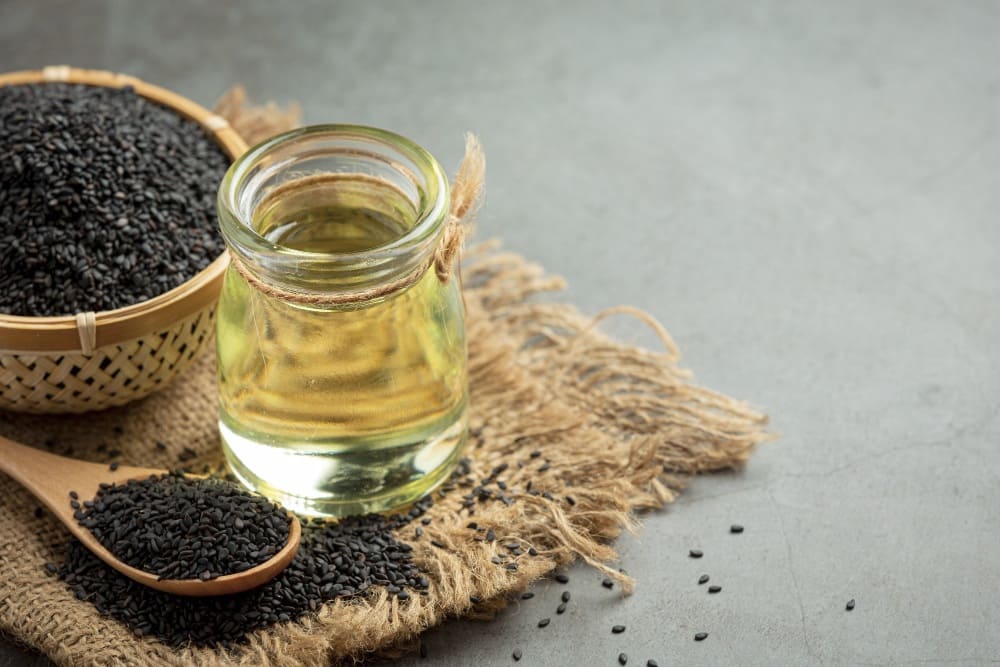
Description
🌍 Origin & Background
Cumin (Cuminum cyminum) is native to Southwestern Asia, primarily cultivated in India (Rajasthan, Gujarat), Iran, and Middle East countries.
Traditionally used in Ayurveda, herbal medicine, and culinary preparations, cumin oil is valued for its digestive, aromatic, and anti-inflammatory properties.
🌱 Plant Description & Raw Material
Cuminum cyminum is an annual herbaceous plant producing small brown seeds. The oil is extracted from the dried seeds, which contain 2–4% essential oil.
🔥 Extraction Method
Cumin Seed Oil is obtained via steam distillation (for essential oil) or cold pressing (for carrier oil).
Each batch undergoes GC-MS and physico-chemical analysis to ensure purity, authenticity, and quality.
🔬 Chemical Composition (GC-MS Profile)
Major constituents include:
- Cumin aldehyde (Cuminic aldehyde) – 15–25%
- γ-Terpinene – 20–30%
- β-Pinene – 10–15%
- α-Pinene – 5–10%
- Cymene – 10–15%
- Linalool – trace
(Composition may vary depending on origin, harvest, and distillation.)
🌿 Aroma Profile & Physical Characteristics
- Color: Golden yellow to pale brown
- Aroma: Warm, spicy, slightly nutty
- Consistency: Medium viscosity
- Solubility: Insoluble in water; soluble in alcohol and oils
🌿 Applications & Benefits
Cosmetics & Skincare
- Used in massage oils and skin formulations for antimicrobial and soothing properties
Aromatherapy & Wellness
- Supports digestion, circulation, and mental clarity
Culinary & Flavoring
- Used as a natural flavoring agent in foods and beverages
Therapeutic & Traditional Use
- Traditionally used for stomach cramps, bloating, indigestion, and inflammation
🌿 Blending Compatibility
Blends well with:
Cardamom, Black Pepper, Clove, Ginger, Cinnamon, Bergamot, Lemon, Vetiver
⚠️ Safety & Precautions
- For external use only unless formulated for dietary use
- Dilute before topical application
- Avoid contact with eyes and sensitive areas
- Keep out of reach of children
- Consult healthcare professional if pregnant, nursing, or under medication
📦 Wholesale Supply & Bulk Ordering
We supply Cumin Seed Oil wholesale, direct from our manufacturing facility in India, with order tiers from sample quantities through <5KG, 5–25KG, 25–100KG, and 100KG+. As a registered Spices Board of India exporter, we are authorised to export spice-derived oils including cumin seed under official regulatory oversight, alongside our GMP and HACCP certifications covering the manufacturing process itself. Every wholesale order includes GC-MS testing, a Certificate of Analysis (COA), and MSDS documentation, with packaging available in 1kg, 5kg, 10kg, and 25kg HDPE or aluminum containers. Contact our export team for current wholesale pricing and lead times.
Buying in bulk? See our bulk spice oils supplier page for order sizes, shipping and payment terms.