A bulk essential oil order crosses the ocean in one of two ways: packed into its own full container, or consolidated inside a shared container alongside other shippers’ cargo. That decision, LCL vs FCL shipping (less than container load against full container load), decides freight cost, transit time, and how much handling the cargo goes through before it reaches a warehouse. An importer, wholesaler, or private label buyer who understands both methods can choose the right one before requesting a freight quote, rather than defaulting to whatever a forwarder offers first.
The right choice depends on order volume and cargo sensitivity, not preference. A buyer moving a handful of drums of a specialty oil faces a different freight calculation than one filling a container with bulk carrier oil for a cosmetic production line. Essential oils add a variable most general freight guides skip: strong aroma and flammability affect whether a forwarder will even load the cargo into a container shared with other goods. Choosing the wrong method adds unnecessary cost to a small order and adds real risk to a sensitive one.
Buyers comparing LCL and FCL quotes for an upcoming shipment should have three details ready before contacting a freight forwarder or our export team: the oil name and grade, the target volume in cubic meters or kilograms, and the destination port.
What FCL and LCL Actually Mean for an Oil Shipment
FCL books an entire sea container, typically a 20-foot or 40-foot unit, for one shipment alone, regardless of whether the cargo fills it. LCL consolidates several shippers’ cargo inside one container at a freight forwarder’s container freight station, splitting the container cost by the volume each shipment occupies.
| Factor | FCL | LCL |
|---|---|---|
| Container use | Dedicated to one shipment | Shared with other shippers’ cargo |
| Billing basis | Flat rate per container | Priced by volume (CBM) or weight, whichever is greater |
| Best fit | Large orders, flammable or strongly scented oils, high-value cargo | Small trial orders and sample volumes |
| Handling | Loaded and sealed once at origin | Consolidated and deconsolidated at a CFS on both ends |
A 20-foot container holds roughly 28 cubic meters of usable space and a 40-foot container roughly 58 cubic meters, though actual loadable volume drops once drums, flexitanks, or pallets are braced inside. Buyers estimating their own shipment volume can multiply a drum’s outer dimensions by the number of drums, then add roughly ten percent for pallet dunnage and bracing space. A standard 200-liter steel drum occupies close to 0.3 cubic meters once stacking clearance is included, so a shipment of 40 drums runs close to 12 cubic meters before dunnage, right in the range where both FCL and LCL quotes are worth comparing.
When Does FCL Make More Sense Than LCL for Essential Oils?
FCL is the safer choice whenever the cargo is strongly aromatic, classified as a dangerous good, or valuable enough that damage or delay would be costly. A dedicated container removes any chance that the shipment picks up odor from, or transfers odor to, unrelated cargo sharing the same space.
Many freight forwarders restrict LCL bookings for flammable liquids and strongly scented cargo outright, because a CFS warehouse stores consolidated shipments from dozens of exporters side by side before loading. Citrus, mint, and spice oils carry enough aroma to taint neighboring cargo such as textiles or packaged foods, and the reverse is also true. Buyers should always confirm with their forwarder whether a specific oil’s flash point and classification allow it to move LCL at all. Flash point is also what decides whether a shipment ships as dangerous goods in the first place, which affects FCL bookings too but matters most for a shared LCL container.
Port-level policy varies as well. Some destination CFS operators flatly refuse any DG-classified or strongly scented cargo regardless of volume, while others accept it with extra segregation fees. Confirming this at the destination port, not just with the origin forwarder, avoids a shipment getting rejected after it has already left India.
- The shipment exceeds roughly 12 to 15 cubic meters
- The oil is classified as a dangerous good under IMO or IATA rules
- The cargo ships in flexitanks rather than drums
- The order includes a high-value, low-volume oil such as rose or sandalwood absolute, where any damage or delay is costly to absorb
Packaging choice affects this decision directly. A flexitank only fits inside a full, structurally braced container, so a shipment packed in flexitanks almost always needs FCL regardless of total volume.
How Order Volume Decides LCL vs FCL Shipping Costs
Most freight forwarders treat roughly 15 cubic meters as the general crossover point where a full container costs about the same as paying for that volume under LCL rates, though the real breakeven shifts between about 8 and 25 cubic meters depending on the shipping lane and how tight vessel capacity is at the time of booking.
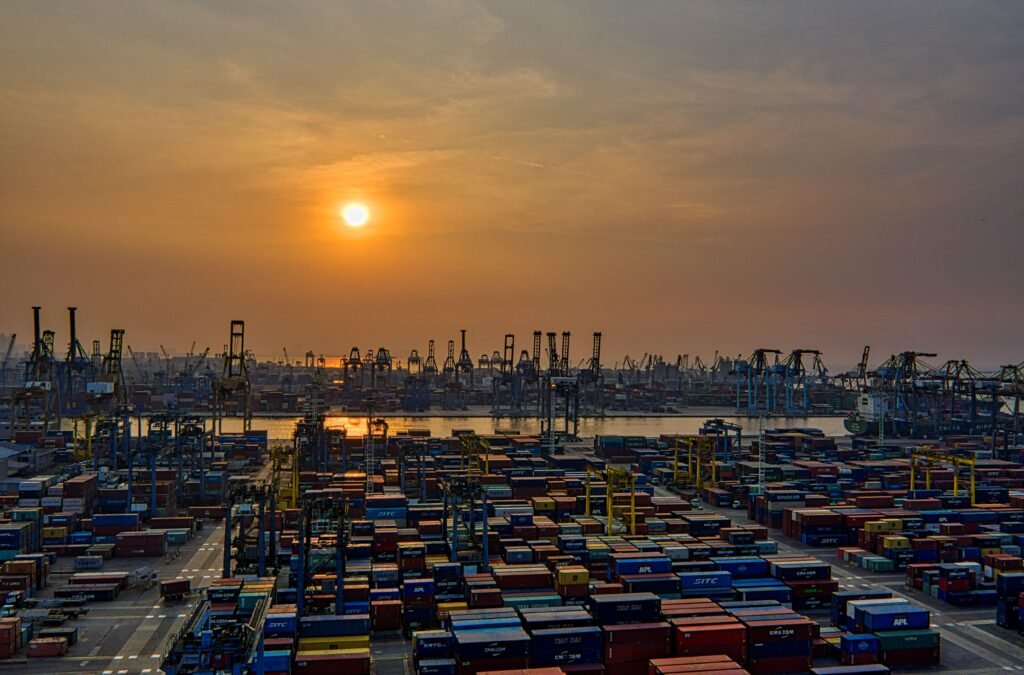
Below that volume, LCL usually costs less because the buyer only pays for the space the cargo occupies. Above it, FCL usually costs less per cubic meter because the container rate is fixed regardless of how full it is. A buyer sourcing a small trial shipment of a high-value oil such as Rose Essential Oil may stay well under that threshold even at meaningful order value, while a buyer sourcing drums of a bulkier carrier oil such as Jojoba Oil for a cosmetic production line can cross it with a single container of raw material.
Density also matters. LCL rates are charged on whichever is greater between the actual cubic meter volume and a weight-based equivalent, so dense cargo, drums of oil included, can trigger the weight charge well before it fills 15 cubic meters of physical space. Buyers close to the crossover point should request FCL and LCL quotes side by side for the same shipment rather than assuming either method is automatically cheaper.
What Changes in Documentation Between LCL and FCL?
FCL shipments move under a single bill of lading issued directly by the carrier, while LCL shipments typically carry two: a master bill of lading between the carrier and the consolidator, and a house bill of lading between the consolidator and the buyer. The extra document adds a step at destination customs clearance but does not usually add cost on its own.
Export documentation for the cargo itself, including the certificate of analysis, safety data sheet, and certificate of origin, stays the same regardless of shipping method. What changes is the clearance timeline: LCL cargo waits for the container to arrive, then waits again for deconsolidation at a destination CFS before customs releases it, which can add several days compared to an FCL container that moves straight to the buyer’s own bonded warehouse or facility. Buyers working out which Incoterm fits the order should confirm with their forwarder whether that extra CFS step is included in the quoted transit time, since a forwarder’s door-to-door estimate does not always separate it out. A buyer new to clearing shipments through US customs should ask specifically whether the broker handles both bill of lading types, since a missed house bill of lading is a common cause of hold-ups on a first LCL order.
Packaging and Loading for Each Method
An exporter loads an FCL container once at origin and seals it for the full journey, so drums or flexitanks can be braced to fill the available space efficiently. LCL cargo moves through a CFS warehouse, where handlers stack and restack it alongside other shipments, so it needs stronger individual packaging to survive the additional moves.
Standard export packaging for essential oils, amber glass bottles for small lots, UN-approved drums for mid-size orders, and flexitanks for bulk carrier and spice oils, applies to both methods. LCL shipments benefit from extra strapping, corner protection, and clear labeling on every drum, since cargo handlers at a CFS move individual units rather than a single sealed container. Buyers sourcing a wider range of bulk oils for a blended order can review our bulk essential oil catalog or the bulk carrier oils available for consolidation into a single shipment, whichever method ends up fitting the order.
Common Questions From Buyers Comparing LCL and FCL
The questions below come up most often once a buyer has a rough order volume in hand and is deciding how to book the freight.
Can essential oils ship LCL at all?
Many can, but not all. Acceptance depends on the specific oil’s flash point and dangerous goods classification, and on each forwarder’s own policy for flammable or strongly scented liquids. Confirm acceptance with the forwarder before booking, since policies vary by carrier and by destination port.
How much longer does LCL take compared to FCL?
LCL typically adds three to seven days compared to FCL on the same lane, mostly from waiting for container consolidation at origin and deconsolidation at destination. FCL cargo moves directly from the exporter’s facility to the buyer’s facility with no intermediate stop.
Is LCL always cheaper for a small trial order?
Usually, but not automatically. Below roughly 8 to 10 cubic meters LCL is almost always cheaper. Between 10 and 15 cubic meters the answer depends on the lane and current vessel capacity, so a side-by-side quote is worth requesting rather than assuming.
What volume should trigger a switch from LCL to FCL?
There is no fixed number, but most buyers start comparing quotes seriously once a shipment approaches 10 cubic meters, and move to FCL by default once it passes 15. Buyers placing repeat orders at a growing volume should revisit this comparison each time volume increases rather than defaulting to whichever method the last order used.
First-time importers often start with LCL to test a supplier relationship or a new oil on a small scale, then move to FCL as order volume grows and the per-unit freight cost becomes a bigger factor in landed cost. A buyer launching a private label line typically follows this same path: sample and trial orders move LCL, and repeat production orders consolidate into FCL once volume supports it.
Freight rates on both methods shift with vessel capacity and seasonal demand, so a quote that favored LCL six months ago may not hold today. Buyers planning a shipment should request current FCL and LCL quotes for the specific lane and volume in question rather than relying on a general rule, and should flag the oil’s flash point and classification up front so the forwarder can confirm which method is even available. Getting the LCL vs FCL shipping decision right saves money on a small order and reduces risk on a sensitive one.