
Certified Essential Oil Manufacturer & Exporter in India
EssentialOilsExport is an ISO 9001:2015 and GMP certified essential oil manufacturer and exporter based in India, supplying importers, wholesalers, cosmetic brands, and private-label buyers with GC-MS tested oils and full export documentation on every shipment.
Certifications & Manufacturing Capability
- ISO 9001:2015 — Quality Management System
- GMP — Good Manufacturing Practice
- HACCP — Hazard Analysis Critical Control Points
- HALAL certified
- FSSAI registered (Food Safety and Standards Authority of India)
- Spices Board of India registered exporter for spice-derived oils
- GC-MS third-party testing on every batch
- COA and MSDS provided with every shipment
Order Quantities & Packaging
Order tiers: Sample, <5KG, 5–25KG, 25–100KG, and 100KG+.
- Aluminum bottles — 1kg to 25kg
- GI drums — 25kg to 200kg
- UN-approved, leak-proof, export-grade packaging on all orders
Sourcing & Export Process
- Air freight: best for samples and orders up to 50kg, 3–7 day transit
- Sea freight: bulk drum and container orders, 15–30 day transit
- Incoterms supported: EXW, FOB, CIF, CFR, DDP
- Export documentation: Certificate of Origin, GC-MS reports, MSDS, phytosanitary certificates (where required), commercial invoices
Backed by 8+ years of export experience and 100+ bulk clients served across international markets.
Request Samples or a Bulk Quote
Tell us your target volume, destination, and application — our export team will respond with pricing, samples, and documentation.
Buyer's Guide: How to Evaluate an Essential Oil Supplier
How to Choose the Right Essential Oils Supplier India: The Ultimate Buyer's Guide
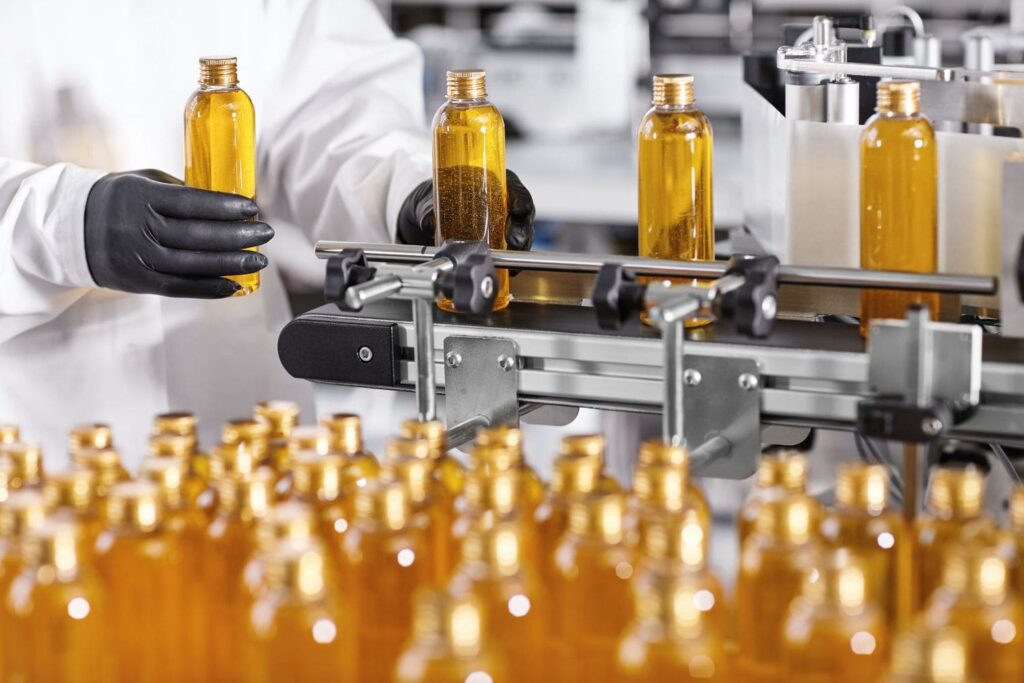
Essential Oils Supplier India:
If you’re searching for a reliable essential oils supplier in India, you’re not alone. India is one of the world’s largest producers and exporters of essential oils — from sandalwood and vetiver to lemongrass, peppermint, and rose. But with hundreds of suppliers claiming to offer “100% pure” and “export-quality” oils, how do you separate the genuinely trustworthy partners from the rest?
This comprehensive guide walks you through everything you need to know before you place your first order — or switch your existing supply chain to an Indian source.
Why Source Essential Oils from India?
Before diving into the selection criteria, let’s answer the most fundamental question: Why India?
India produces over 70% of the world’s vetiver oil, is a leading exporter of lemongrass oil (Cymbopogon flexuosus), and holds a dominant position in sandalwood, patchouli, and spice-based essential oils. The country’s agro-climatic diversity — from the Himalayan foothills to tropical Kerala — creates conditions that are simply unmatched globally.
Here’s why global importers, aromatherapy brands, cosmetic manufacturers, and food-grade buyers increasingly turn to an essential oils supplier India:
- Competitive pricing without compromising botanical quality
- Direct-from-farm sourcing options that reduce supply chain layers
- Rich biodiversity supporting a vast catalogue of plant species
- APEDA-registered exporters with an international compliance infrastructure
- English-speaking, export-experienced teams that understand GMP, COA, and MSDS documentation
But these advantages only materialise when you choose the right supplier. A poor choice can mean adulterated oils, failed customs inspections, delayed shipments, or financial loss.
10 Key Criteria to Evaluate an Essential Oils Supplier in India
1. Verify Their Export Credentials and Registrations
Any credible essential oils exporter in India should hold the following:
- IEC (Import Export Code) — Mandatory for legal export operations
- APEDA Registration — Agricultural and Processed Food Products Export Development Authority certification matters for food-grade essential oils
- FSSAI License — For oils intended for food, flavour, or nutraceutical applications
- GST Registration — Signals a formal, above-board business entity
Pro tip: Ask for the IEC number and cross-verify it on the DGFT (Directorate General of Foreign Trade) portal. This takes under two minutes and immediately confirms whether the exporter is legitimate.
2. Demand a Certificate of Analysis (COA) — Before Ordering
A Certificate of Analysis is the single most important document in essential oil trading. It contains:
- Gas Chromatography / Mass Spectrometry (GC/MS) data
- Specific gravity and refractive index measurements
- Optical rotation values
- Odour and colour profile
- Country of origin and botanical (Latin) name
- Lot/batch number and extraction method
A trustworthy essential oils supplier India will provide a COA for every batch — ideally from an independent third-party lab. Be very cautious of suppliers who only offer in-house lab reports or who hesitate to share GC/MS data upfront.
Red flag: Any supplier who says “We don’t do GC/MS testing” or who provides a COA without batch-specific data is a serious risk.
3. Understand the Difference Between Pure, Natural, and Synthetic
India’s essential oil market, like any global market, contains a spectrum of product quality:
Category | What It Means | Your Risk |
|---|---|---|
100% Pure Essential Oil | Steam-distilled or cold-pressed, no additions | Low if verified by GC/MS |
Extended/Diluted Oil | Base oils or carrier oils added | Medium — reduces potency |
Nature-Identical | Synthetic compounds matching natural profile | High for premium markets |
Fragrance Oil | Purely synthetic, NOT an essential oil | Very high — mislabelling |
When evaluating essential oil exporters in India, insist on the botanical name (e.g., Cymbopogon flexuosus for East Indian lemongrass), the plant part used (leaf, flower, bark, root), and the extraction method (steam distillation, cold pressing, CO2 extraction, solvent extraction).
4. Evaluate Their Sourcing Transparency
The best essential oils supplier India don’t just process and ship — they have documented relationships with farms, cooperatives, or tribal collectors. Questions to ask:
- Where exactly is the raw material sourced? Which state, which district?
- Do they work directly with farmers or through intermediaries?
- What’s the typical harvest season for the oil you’re buying?
- Can they provide farm-level documentation or phytosanitary certificates?
Suppliers with vertical integration (farm-to-bottle operations) or long-standing farmer partnerships generally deliver more consistent quality than traders who buy from open markets and resell.
India-specific insight: Some of the world’s finest essential oils come from very specific growing regions. For example, the finest Rosa damascena for attar production comes from Kannauj in Uttar Pradesh — a town with centuries of distillation heritage. Ask whether your supplier sources from the authentic region of origin.
5. Check Their Packaging and Storage Standards
Essential oils are volatile, sensitive to light, heat, and oxygen. A professional essential oil company in India will:
- Store oils in amber glass or food-grade aluminium containers
- Maintain temperature-controlled warehousing
- Use nitrogen blanketing for long-term storage of oxidation-prone oils
- Provide proper labelling with IUPAC names, batch numbers, and production/expiry dates
For export shipments, packaging must comply with IATA regulations (for air freight) and IMDG codes (for sea freight), especially for flammable or hazardous essential oil classifications. Ask about their shipping compliance history.
6. Request a Sample Before Committing to a Bulk Order
This is non-negotiable. No professional essential oil bulk supplier in India should refuse to send samples, though you may be asked to pay for the sample itself and international shipping. This is completely standard and acceptable.
When evaluating samples:
- Assess the aroma profile against known references or GC/MS standards
- Send to your own preferred third-party lab for independent testing
- Test the oil in your intended application (cosmetic, therapeutic, food, industrial)
- Confirm shelf life and stability under your storage conditions
A supplier who pushes you to skip sampling and go straight to bulk is a supplier you should avoid.
7. Assess Their Export Documentation Competence
Importing essential oils from India into the US, EU, Japan, or other regulated markets requires a documentation-heavy process. Verify that your potential essential oils supplier India can produce and manage:
- COA (Certificate of Analysis) — per batch
- MSDS/SDS (Material Safety Data Sheet) — per product
- Phytosanitary Certificate — issued by the Plant Quarantine authorities
- Certificate of Origin (COO) — for customs and tariff purposes
- Commercial Invoice and Packing List — correct HS code classification
- FDA Prior Notice — for US-bound shipments of food-grade oils
- REACH Compliance Documentation — for EU importers
Mistakes in HS code classification (the correct heading for most essential oils is 3301) or missing MSDS documents can lead to costly customs holds or rejections.
8. Evaluate Their Communication and Responsiveness
This is softer but equally critical. Your relationship with an essential oils supplier in India is long-term. Assess:
- Response time: Do they reply within 24–48 hours?
- Language clarity: Is their written English clear and professional?
- Proactiveness: Do they flag potential delays, crop variations, or market price changes?
- Problem-solving attitude: How do they handle complaints or quality discrepancies?
A supplier who disappears after receiving payment — or who becomes evasive when you ask technical questions — is a warning sign that should not be ignored.
9. Look for Sustainable and Ethical Sourcing Practices
Global brands — particularly in cosmetics, wellness, and food — are increasingly requiring supply chain transparency and sustainability credentials. When evaluating Indian essential oil exporters, ask about:
- Organic Certification: NPOP (India), NOP (USDA Organic), EU Organic
- Fair trade or fair wage practices with farming communities
- Environmental impact: Sustainable distillation, wastewater treatment, fuel sourcing
- Wildcrafted oils: Are they harvested in ways that don’t deplete wild populations?
These aren’t just ethical preferences — they’re increasingly regulatory and commercial requirements in export markets like Germany, Japan, and the US.
10. Review Their Track Record and References
Before finalising any essential oils supplier India relationship:
- Ask for a client reference list — and actually contact 2–3 of those clients
- Search for the company on B2B platforms like Alibaba, IndiaMART, and TradeIndia — note their response rate and verified status
- Check for export records on platforms like Panjiva, Volza, or Zauba
- Look for complaints or legal disputes in their business history
A reputable essential oil company in India will have a verifiable export history. Cross-referencing shipping data with what they claim to export is one of the most effective due diligence steps available to international buyers.
The Most Commonly Exported Essential Oils from India
Here’s a quick reference guide of key essential oils available from Indian suppliers, their primary producing states, and what to watch for:
Essential Oil | Main Producing State(s) | Common Adulteration Risk |
|---|---|---|
Kerala, Karnataka, Sikkim | Synthetic citral addition | |
Rajasthan, UP | Blending with Haiti/Indonesia vetiver | |
Karnataka (S. album now rare) | Blending with Australian or synthetic | |
Uttar Pradesh (Barabanki) | Cornmint oil substitution | |
Kannauj, UP | Synthetic phenyl ethyl alcohol | |
Nilgiris (Tamil Nadu) | Dilution with cheaper species | |
Patchouli | South India | Aging misrepresented as matured |
Kerala | Mixed species or extended | |
Erode, Tamil Nadu | Carrier oil extension |
Red Flags to Watch for When Sourcing from India
Avoiding a bad supplier is as important as finding a good one. Be very cautious when you encounter:
- Prices that are dramatically below market rates — adulteration is almost always the explanation
- No third-party lab testing or only in-house test certificates
- Refusal to provide COA or SDS before payment
- Vague sourcing information (“We source from farms across India”)
- Unwillingness to do a video call to show their facility
- Payment terms requiring 100% advance with no escrow or milestone option for first-time orders
- No verifiable business registration (GST, IEC, APEDA)
- Generic email addresses (Gmail, Yahoo) for a company claiming large export volumes
How to Structure Your First Order
For buyers new to sourcing from an essential oils supplier India, here’s a suggested approach:
- Shortlist 3–5 suppliers based on online research, trade show contacts, or B2B platform verification
- Send an RFQ (Request for Quotation) specifying: product name, botanical name, plant part, extraction method, grade (food/cosmetic/industrial), quantity, packaging, and required documentation
- Request samples from 2–3 finalists and test independently
- Conduct a video call to see their facility and meet the team
- Place a small trial order (5–25 kg typically) with a clear purchase order and quality specs
- Inspect and test on arrival before accepting the shipment
- Build the relationship with regular communication, advance notice of seasonal fluctuations, and clear feedback
Frequently Asked Questions
Q: What is the minimum order quantity (MOQ) for essential oils from India?
Most essential oils supplier India offer MOQs ranging from 1 kg (for speciality or rare oils) to 25–50 kg for common oils. Some bulk exporters set higher MOQs of 100–500 kg. For initial trials, most suppliers are flexible.
Q: How long does shipping from India typically take?
Sea freight to the US or Europe: 25–40 days. Air freight: 5–10 days. Courier (DHL, FedEx) for small samples: 3–7 days. Factor in customs clearance time at the destination.
Q: Is it safe to pay by wire transfer to an essential oils supplier India?
Wire transfer (SWIFT/TT) is the standard international payment method. For first orders, consider partial payment upfront and the balance on BL (Bill of Lading) copy, or use a Letter of Credit (LC) for larger orders.
Q: Can I get organic certified essential oils from India?
Yes. India has NPOP (National Programme for Organic Production), which is recognised by the EU. Many Indian exporters also hold USDA NOP certification for the US market. Always ask for valid, current organic certificates.
Q: What HS code is used for essential oils exported from India?
Chapter 33 of the HS code covers essential oils. The primary heading is 3301, with sub-headings for citrus (3301.1x), mint (3301.25), and other oils (3301.29).
Conclusion: Choose a Partner, Not Just a Supplier
Finding the right essential oils supplier in India is not a one-time transaction — it’s the beginning of a long-term supply chain relationship. The best Indian essential oil exporters are transparent, technically competent, and committed to your success as a buyer because that’s what builds repeat business and referrals.
Take the time to verify credentials, test samples, and build a conversation before committing to volume. India’s essential oil industry has extraordinary depth and genuine quality — but like any global market, it rewards buyers who do their homework.
Have questions about sourcing essential oils from India? Contact us to start a conversation.
Popular Recent Posts
-
 Thyme Oil Manufacturer and Wholesale Supplier: What Buyers Verify
 -
 Sourcing Bulk Rose Water and Floral Hydrosols: A Buyer's Guide
 -
 Bergamot Oil Manufacturer in India: What B2B Buyers Should Verify
 -
 Why Citral Content Decides Bulk Lemongrass Oil Quality
 -
Bergamot Oil Wholesale: Pricing, MOQ, and Documentation